If you only click on one thing: click on this episode about how precise measurements of atoms can help in the search for mysterious dark matter.
Podcasts, and audio more generally, are more than a way to pass the time for me. At their best, they expand my horizons and give me the feeling of being fully alive. At their worst, it’s 3 hours of Joe Rogan ranting. My favorite podcasts, in no particular order, include Heavyweight, Alone: A Love Story, Mystery Show, This American Life, Invisibilia, Science Vs, Millenial, Hidden Brain, Radiolab, Rough Translation, Reply All, and Where Should We Begin. I particularly appreciate the style of heavily produced audio that combines compelling subject matter with an artistic and expressive narrative voice. I aspire to one day help make the kind of podcast I admire.
I have been a graduate student in experimental cold atom physics at the University of Maryland (UMD) since 2011. Towards the end of my PhD, my enthusiasm for podcasting was increasing and I was looking for ways to dip my toe into the audio production waters. Luckily, the physics department at the university had a science communication office, which had been producing a podcast about current UMD research. The format of this podcast had evolved over time, but the idea remained the same: to communicate cutting edge scientific research to a general, non-expert audience in a digestible and entertaining way.
I started volunteering for the popular science podcast Relatively Certain in May 2018, and transitioned to working on it as part of my full-time job in August 2019.
You can find Relatively Certain on iTunes, Google Play, Soundcloud or Spotify, as well as on the Joint Quantum Institute (JQI) website. Below is a list of episodes that I worked on, with notes about my role in their production.
Quantum-Safe Algorithms Face Off in NIST’s Cryptography Showdown

Quantum computers don’t have to spell doom for our online banking transactions, at least if we’re prepared. In this episode I talked to Lily Chen, who is in charge of NIST’s competition for a quantum-safe cryptography algorithm.
My favorite bit was finding the not-so-polite discussion threads between mathematicians arguing about details of cryptography. I got two of my roommates to participate in this podcast episode as voice actors, reading aloud a bit of the crypto argument.
Science in Quarantine: A Rush to Go Remote
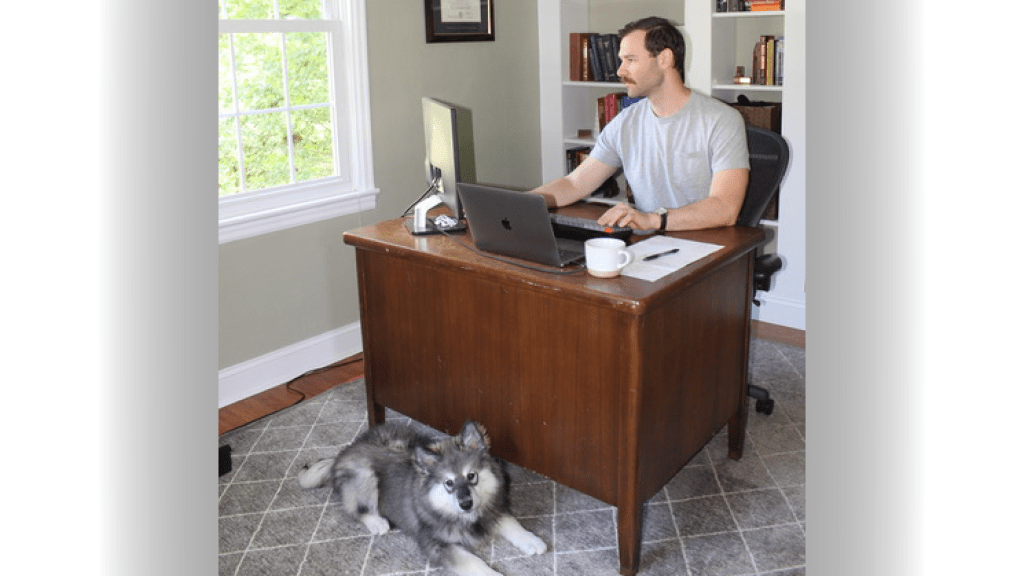
What originated as a plan for a short series of covid stories ended up as only two. Still, this one about the first quantum computing lab to be operated remotely was a fun one to record and learn about, and quarantine dogs are always fun to see!
Diamonds Are A Quantum Sensing Scientist’s Best Friend
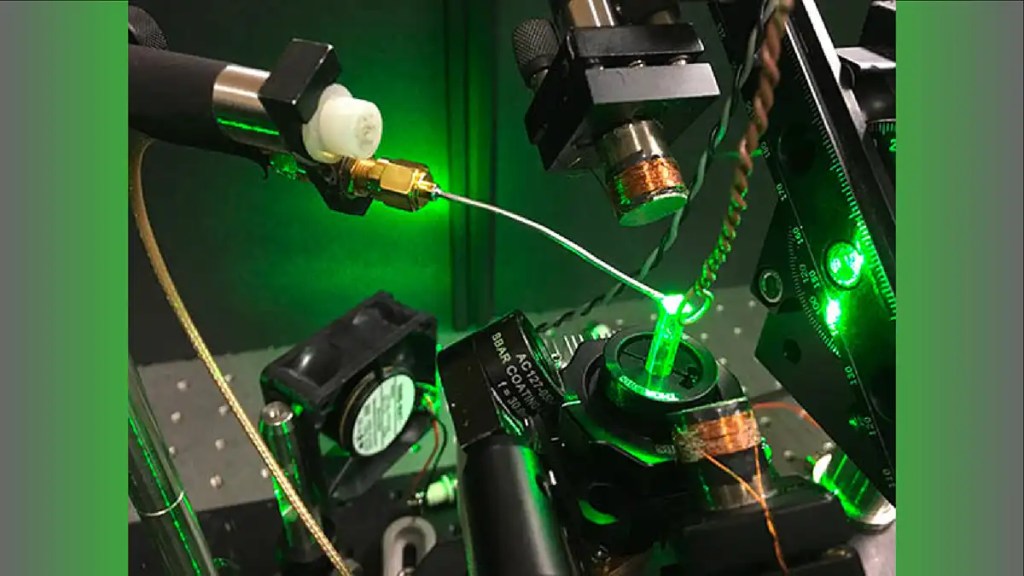
Ron Walsworth came to the University of Maryland from Harvard. In addition to his cutting edge research, he has co-founded three companies. To say Walsworth has a lot of pots in the fire is an understatement.
Picking one topic of Walsworth’s research to focus on was a challenge. But potential advances in MRI-like images seemed most relatable to me. Listen all the way through the outro to hear a physics professor replicate sounds made by an MRI machine with his mouth.
The Secrets Atoms Hold, Part 2: Gravity
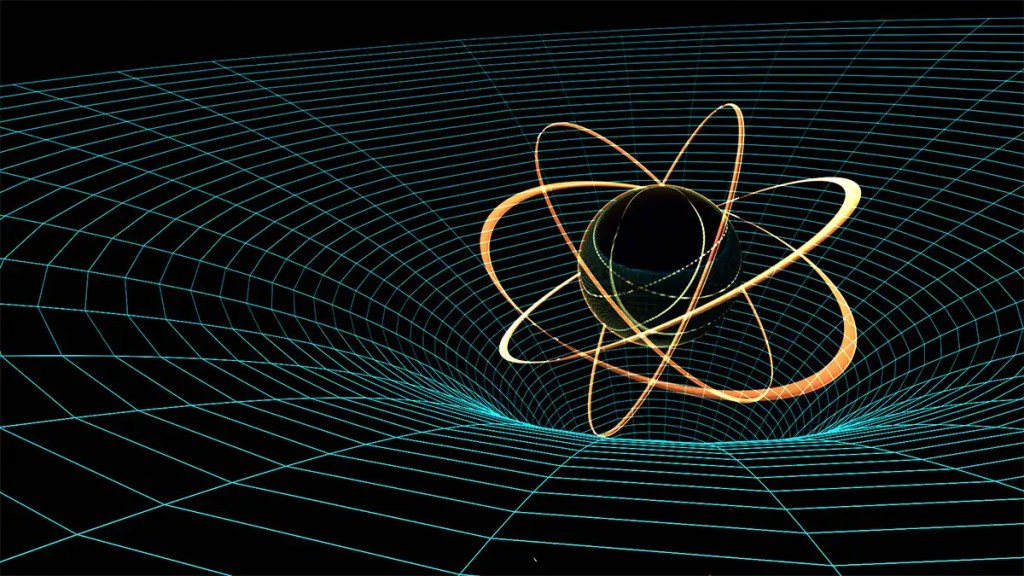
This is another tiny sliver of the insane amount of content that came out from my interview with Marianna Safranova and Charles Clark.
In this part, we describe the problem of combining quantum mechanics with the theory of gravity, and dive into how studies of atoms might help reconcile them: or at least rule out potential theories.

The pandemic has upended all of our lives, albeit to very different extents. In the midst of tragedy, I also saw a lot of ingenuity among my peers, and thought it would make for interesting radio.
Luckily, I live with several awesome physicists, and my roommate Francisco Salces had more than one zany project underway. In this episode, I interview him about how he managed to carry on his microscopy project while staying at home, away from the lab, with the help of cheap Amazon products and a lot of duct tape.
The Secrets Atoms Hold Part 1: Dark Matter

The interview I did with Charles Clark and Marianna Safranova for this episode was one of the more fascinating experiences of my life. They bounced thoughts and impressions off each other on topics ranging from dark matter, to antimatter, to gravity and more, all tied together by precision measurement.
With over two hours of audio from this duo, the tricky part was narrowing the focus of the episode to a coherent story. In the end, I decided there was too much there for a single 15-minute segment, and split it into two parts. Stay turned for the second installment about gravity!
Donuts, Donut Holes and Topological Superconductors
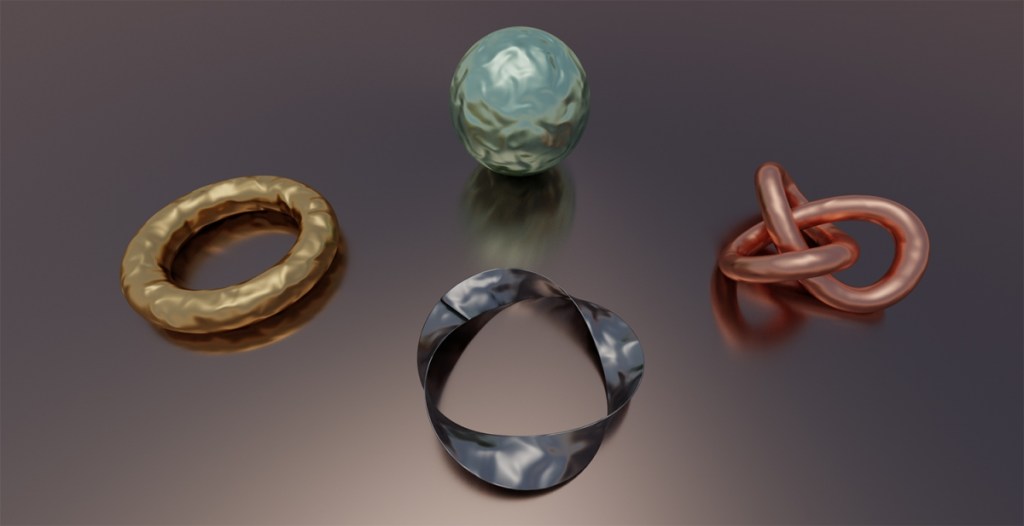
While my PhD research was related to topology, I found that I hadn’t fully understood the concepts I was using until I was forced to try to explain them in the most basic way for this episode.
The trickiest part was describing how topology, the study of which shapes can morph into each other without tearing or gluing, becomes relevant in physics. Topology actually shows up all over the place in physics, and this story is only one example. We tried to simplify the science while still doing it justice. Let us know how we did!

Relatively Certain has a segment called Labs IRL, which takes a step back from hard science research and focuses on the scientist and their work from a more human perspective.
For this episode, I took a more personal angle in telling the story of my then-roommate Chris Billington. My aim was to explain his coding project, LabScript, to the general public, and perhaps more importantly try to reveal his personal motivations and enthusiasm for working tirelessly on a project that may seem boring to many, all for free.
Taming Chaos with Physics and AI
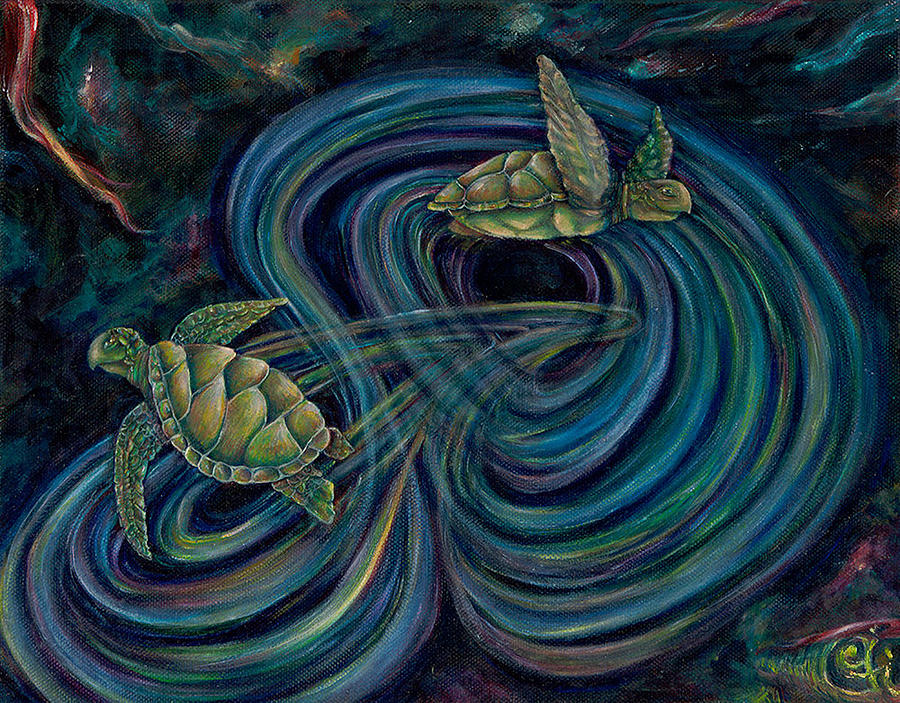
This is the first episode where I got to take the lead on production. I learned about the research from a story in Quanta Magazine, and wanted to learn more.
Interviewing Michelle Girvan was a treat. Creating the script for this episode was a big learning experience for me, and Chris Cesare and Emily Edwards both shaped it through many rounds of edits.
This was also my first experience with recording voice-over, assembling the episode in Adobe Audition, finding background music and choosing cover art (I think this painting by Michelle Wilber is beautiful!).

This was the first time I was involved in the production process from the beginning. I helped compile a list of questions and watched Chris Cesare interview Brian Swingle. It was fascinating to see Swingle’s passion for the subject.
I then pulled quotes from the interview and tried to contribute ideas to the narrative structure. Chris Cesare wrote the script and recorded the episode (with editing help from Emily Edwards and myself). Watching the process of converting interview audio to a compelling and understandable story was very instructive and inspiring!
 Dina's personal webpage